


Best LED Face Masks: Dermatologist Recommendations for 2026
September 23, 2026 | by Md. Samsul Haque
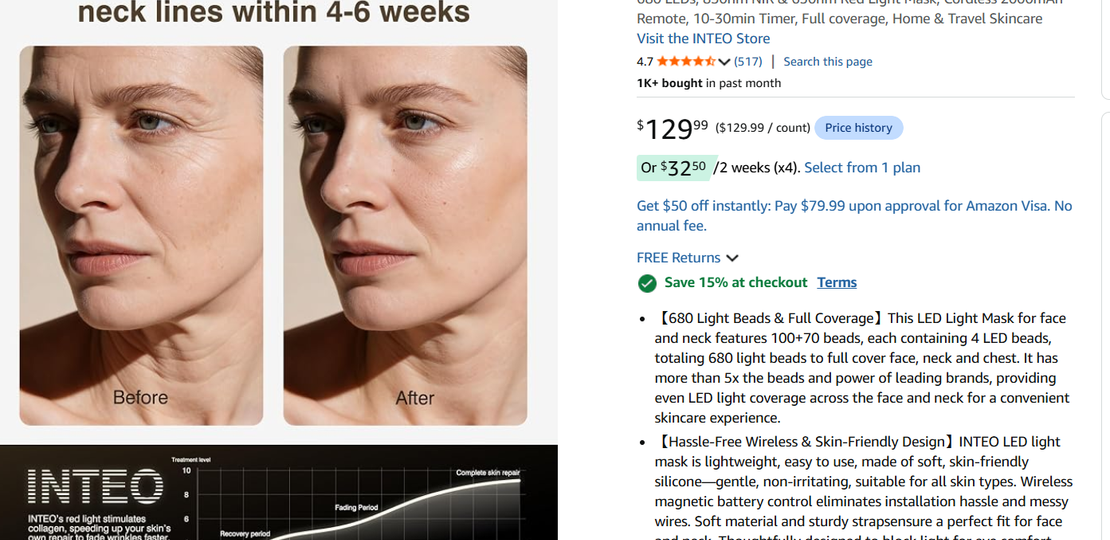
LED face masks have become a popular addition to at-home skincare routines. These devices use different wavelengths of light to target concerns such as fine lines, redness, and mild acne. However, not every LED mask works in the same way, and results from at-home devices can be more subtle than professional treatments.
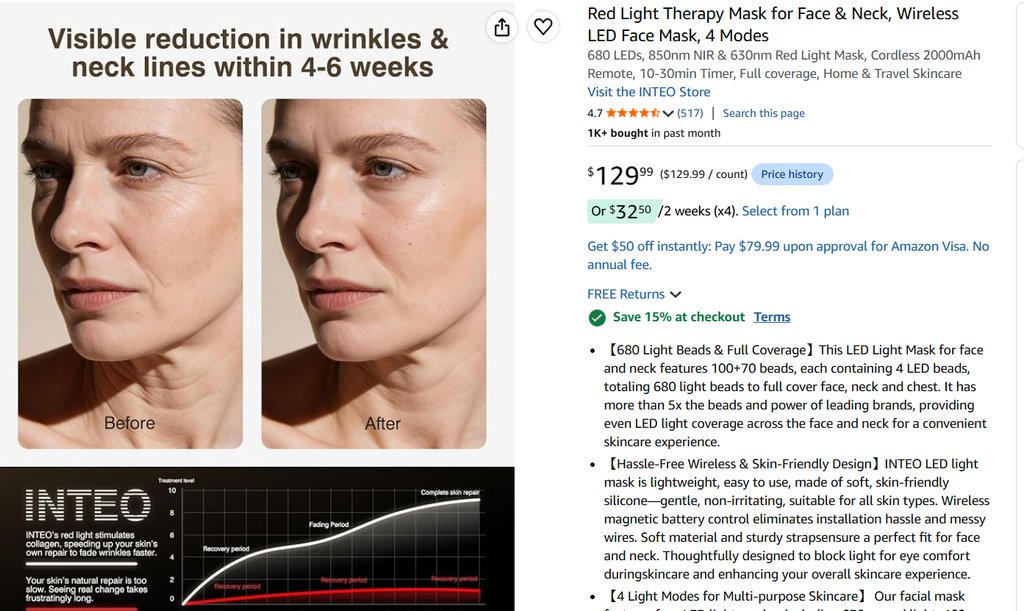
To buy the products just click on the images
If you’re searching for the best LED face masks dermatologist recommendations in 2026, it is important to look beyond appearance and price. Wavelengths, safety features, treatment time, fit, and the device’s intended use should all be considered before buying.
How Do LED Face Masks Work?
LED light therapy, also called photobiomodulation, uses specific wavelengths of light without ultraviolet (UV) radiation. Red light can reach deeper than blue light, while near-infrared light penetrates deeper still.
Red and near-infrared light are commonly used for signs of skin aging, while blue light is often used in products designed for acne. Some masks combine multiple wavelengths to address more than one skincare concern.
What Do Dermatologists Say About LED Face Masks?
The American Academy of Dermatology notes that at-home red-light devices may provide subtle to noticeable improvements in concerns such as fine lines, wrinkles, discoloration, redness, and loose skin. However, researchers are still studying the ideal dose, treatment frequency, and long-term effects of at-home devices.
Dermatologists also generally view red light as a complementary treatment, rather than a replacement for standard skincare or professional treatment.
That means a good LED face mask should be considered part of a broader skincare routine rather than a quick solution for every skin concern.
Features to Look for in an LED Face Mask
1. Appropriate Wavelengths
Check the wavelengths before buying. Red light is commonly used for signs of aging and skin appearance, while blue light is often included in acne-focused devices.
2. FDA Clearance
For products sold in the U.S., check whether the device is FDA-cleared for its stated purpose. FDA clearance is different from FDA approval, so consumers should pay attention to the exact claim being made.
3. Treatment Time
A mask that requires only a short, clearly defined session may be easier to use consistently. Always follow the manufacturer’s recommended treatment schedule rather than assuming that longer sessions are better.
4. Comfortable Fit
A flexible design, adjustable straps, and comfortable eye positioning can make regular use easier.
5. Eye Protection
Because the device is used close to the eyes, check the manufacturer’s safety instructions and use the recommended eye protection when required.
Popular Types of LED Face Masks to Compare
Rather than choosing a mask based only on its marketing claims, consider what you want it to do.
Red-light masks:
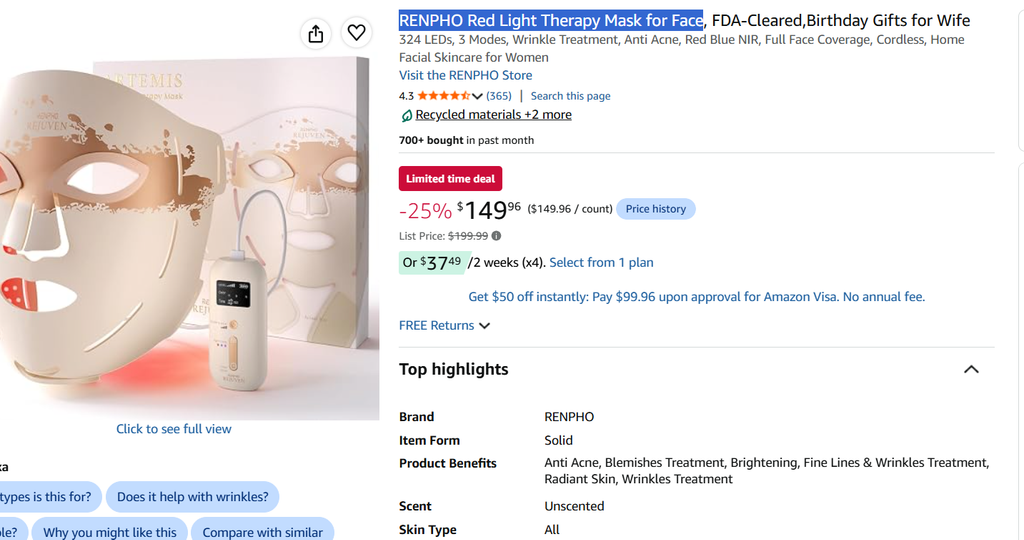
Generally aimed at signs of aging, redness, and overall skin appearance.
Red + near-infrared masks:
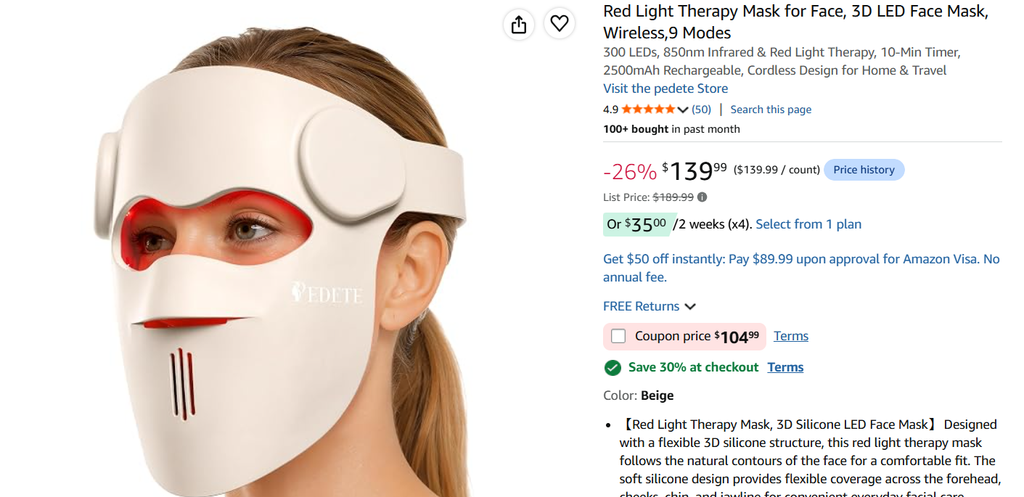
Combine red light with deeper-penetrating near-infrared wavelengths and are commonly marketed for skin rejuvenation.
Red + blue-light masks:
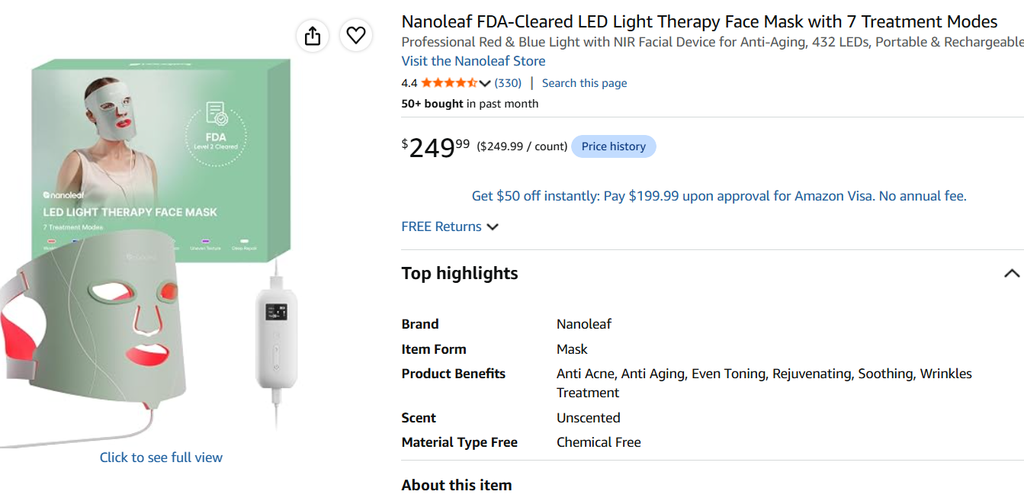
Designed to address both general skin concerns and acne-related concerns.
Multi-mode masks: Offer different settings for different skincare goals, although more modes do not automatically mean better results.
Who May Consider an LED Face Mask?
An LED face mask may be worth considering if you want an at-home option to complement your regular skincare routine and are primarily interested in concerns such as fine lines, mild redness, or certain types of acne.
However, expectations should remain realistic. At-home devices generally use lower power than professional equipment, and noticeable results may require consistent use over time.
Important Safety Considerations
LED therapy is generally considered relatively low-risk, but it is not appropriate for everyone. Possible side effects can include temporary redness, irritation, inflammation, or discomfort.
People with photosensitive conditions or those taking medications that increase light sensitivity should speak with a dermatologist before using red-light therapy.
If you have a specific skin condition, are taking photosensitizing medication, or are unsure whether LED therapy is suitable for you, professional advice is preferable to choosing a device based solely on online reviews.
Frequently Asked Questions
Are LED face masks recommended by dermatologists?
Dermatologists recognize LED light therapy as a potentially useful complementary treatment for certain skin concerns. However, the effectiveness of individual at-home masks varies, and more research is still needed.
Do LED masks really work for wrinkles?
Research suggests red-light LED devices may improve the appearance of fine lines and wrinkles, but results are generally gradual rather than immediate.
Is red or blue LED light better?
It depends on your goal. Red light is commonly associated with signs of aging and skin appearance, while blue light is commonly used in acne-focused LED treatments.
How often should you use an LED face mask?
Follow the specific manufacturer’s instructions. Different devices have different treatment times and schedules, so there is no single routine that applies to every mask.
Final Thoughts
The best LED face masks dermatologist recommendations for 2026 should not be judged by marketing claims alone. Look for an appropriate wavelength combination, clear treatment instructions, comfortable design, safety features, and FDA clearance where applicable.
Most importantly, think of an LED face mask as a potential addition to your skincare routine—not a replacement for professional dermatological care. Consistent use and realistic expectations are more important than simply choosing the most expensive device.
Affiliate Disclosure: As an Amazon Associate, PickRight Hub earns from qualifying purchases. Prices and availability are subject to change.
RELATED POSTS
View all


Keurig K-Supreme Coffee Maker: 5 Best Picks for Coffee Lovers in 2026
August 19, 2026 | by Md. Samsul Haque
Does Native Deodorant Work? A Quick Guide
September 20, 2026 | by Md. Samsul Haque
Back Brace for Posture and Lower Back Pain: What to Know Before You Buy
September 11, 2026 | by Md. Samsul Haque