


Will Massaging Sore Muscles Help? 7 Benefits, Risks & Massage Tips
September 4, 2026 | by Md. Samsul Haque
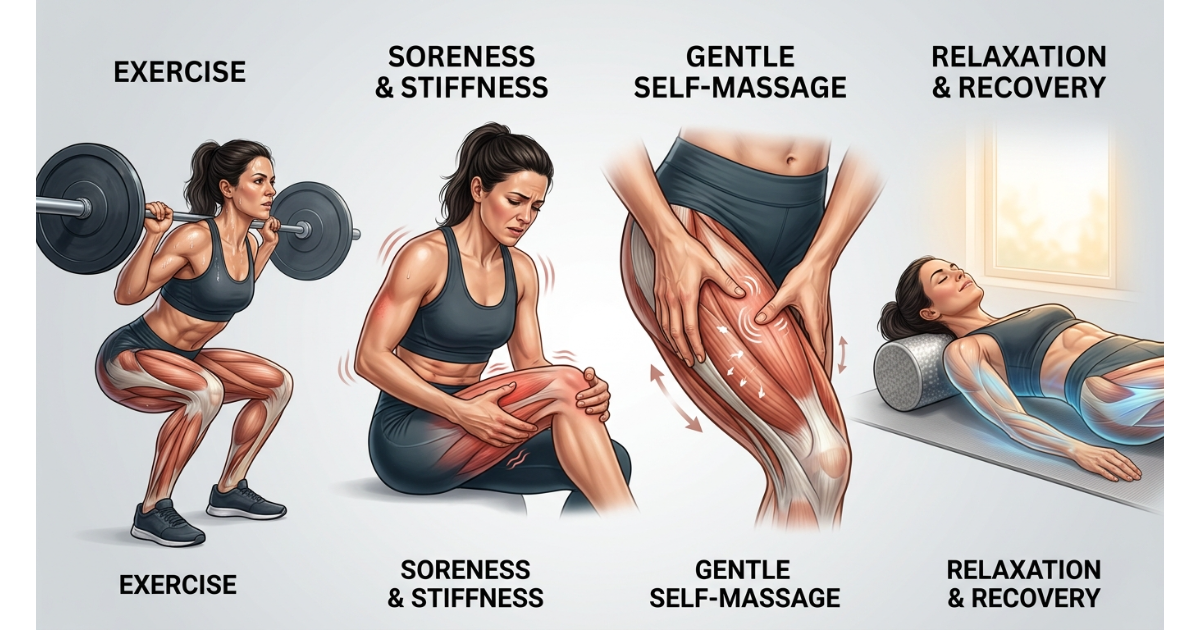
Will massaging sore muscles help? the simple answer is yes.
Have you ever finished a tough workout and felt sore, stiff, or uncomfortable the next day? Muscle soreness is a common experience, especially after trying a new exercise, increasing workout intensity, or returning to exercise after a break.
Many people turn to massage for relief. But will massaging sore muscles help, or could it make the discomfort worse?
The answer is that gentle massage may help sore muscles feel more relaxed and comfortable. Massage can reduce the feeling of tightness and stiffness and may help you feel better after physical activity. However, massage is not a cure for every type of muscle pain, and aggressive massage may not be appropriate when you have an injury.
In this guide, you’ll learn how massage may help sore muscles, the best techniques to try, how long to massage, and when you should avoid massaging a painful area.
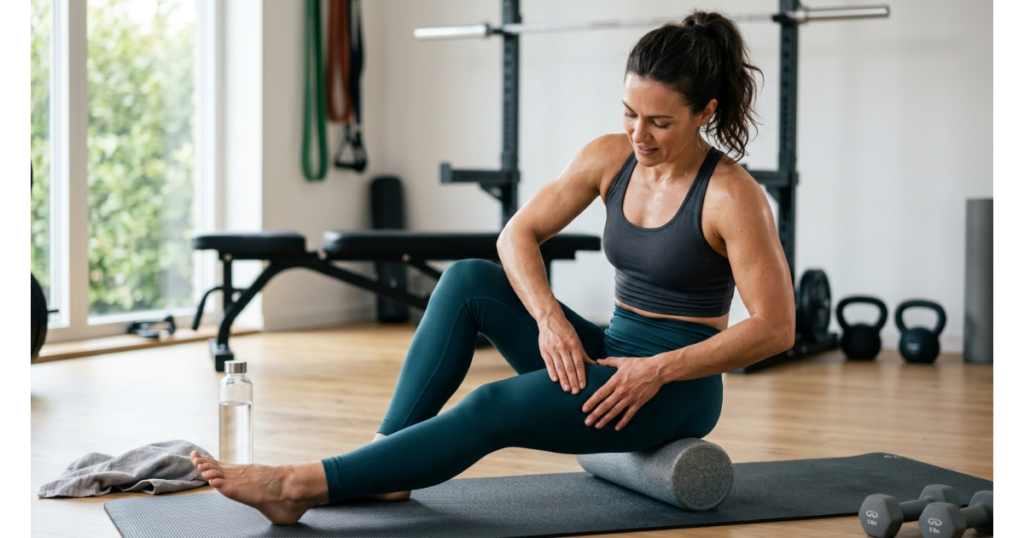
Image: A women gently massaging a sore shoulder, leg, or calf after a workout.
Will Massaging Sore Muscles Help?
Yes, gentle massage can help sore muscles feel better for many people.
After exercise, muscles may feel tight, tender, or stiff. A gentle massage can promote relaxation and may reduce the feeling of discomfort. It can also help loosen tense areas and make movement feel more comfortable.
Some of the potential benefits of massaging sore muscles include:
- Reduced feelings of muscle tightness
- Improved relaxation
- Temporary relief from soreness
- Reduced stiffness
- Increased comfort after exercise
- Improved overall sense of recovery
However, massage is not a magic solution. It cannot instantly repair damaged muscle tissue or replace proper rest and recovery.
The most important thing is to listen to your body. A gentle massage that feels comfortable may be helpful, while painful or aggressive pressure can potentially increase discomfort.
Why Do Muscles Become Sore?
Before understanding whether massage helps, it is useful to understand why muscles become sore.
Muscle soreness can happen for several reasons.
Exercise and Muscle Stress
Physical activity places stress on your muscles. This is a normal part of exercise and training.
When you challenge your body with resistance training, running, cycling, or other activities, your muscles have to adapt to the workload.
After an intense workout, you may experience soreness or fatigue.
Delayed Onset Muscle Soreness (DOMS)
One of the most common causes of post-workout soreness is Delayed Onset Muscle Soreness, often called DOMS.
DOMS usually develops after unfamiliar or intense physical activity. You may not feel severe soreness immediately after exercising. Instead, the discomfort may become more noticeable several hours later or the following day.
Common symptoms include:
- Muscle tenderness
- Stiffness
- Temporary weakness
- Reduced range of motion
- Discomfort when moving
Massage may help some people feel more comfortable when experiencing mild post-exercise soreness.
New or Intense Workouts
Your muscles may become sore when you:
- Start a new workout routine
- Increase your training intensity
- Exercise for longer than usual
- Try unfamiliar movements
- Return to exercise after a long break
For example, if you normally walk every day but suddenly complete an intense leg workout, you may experience soreness the next day.
Overuse
Doing the same movement repeatedly can also cause muscles to feel tired or uncomfortable.
Overuse may happen during:
- Sports
- Physical work
- Long periods of standing
- Repetitive movements
- Extended exercise sessions
In these situations, rest and recovery are often important.
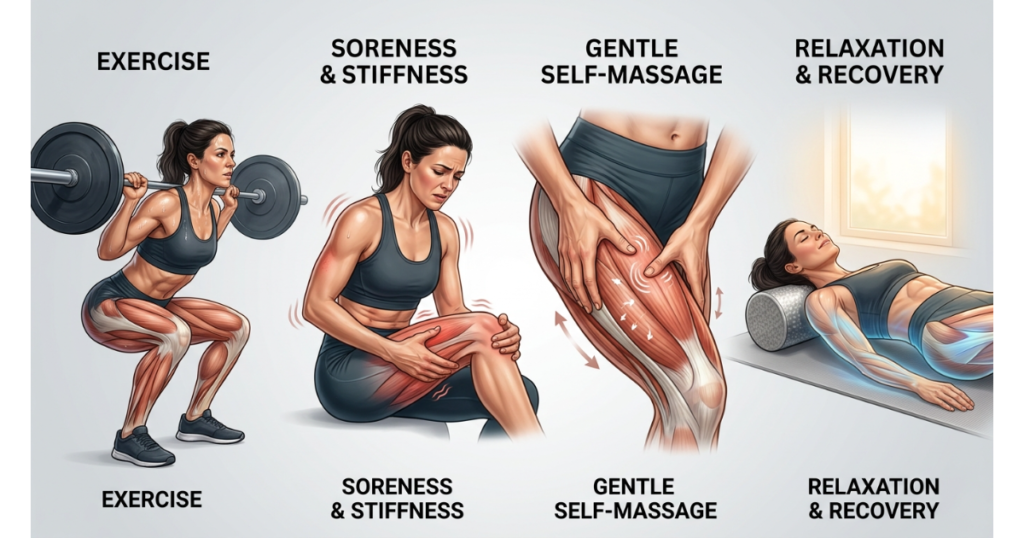
Image: An educational illustration showing exercise, muscle soreness, gentle massage, and recovery.
Does Massage Help With Sore Muscles?
Massage may help with sore muscles by promoting relaxation and reducing the feeling of tightness and stiffness.
When your muscles feel tense after physical activity, gentle pressure and movement may make the area feel more comfortable.
Here are some potential ways massage may help.
| Potential Benefit | How It May Help |
|---|---|
| Relaxation | Helps the body and muscles feel more relaxed |
| Reduced stiffness | May make movement feel more comfortable |
| Reduced tension | Can help tight muscles feel less tense |
| Temporary relief | May reduce the feeling of soreness |
| Stress reduction | Can promote overall relaxation |
It is important to remember that every person responds differently.
Some people feel significantly better after a massage, while others may not notice a major difference.
The best approach is usually a gentle and comfortable massage rather than deep or painful pressure.
Is It Good to Massage a Sore Muscle?
In many cases, it can be good to gently massage a sore muscle.
However, the type and cause of the soreness matter.
Gentle massage may be appropriate when you have mild soreness from exercise or normal muscle tightness.
Gentle Massage May Be Helpful When You Have:
- Mild post-workout soreness
- Muscle tightness
- General stiffness
- Mild exercise-related discomfort
- Tired muscles after physical activity
A gentle massage should feel comfortable.
You should not need to tolerate severe pain.
When You Should Be Careful
Not every type of muscle pain should be treated with massage.
Avoid aggressive massage if you have:
- Severe pain
- Significant swelling
- Bruising
- Sharp or sudden pain
- Numbness
- Significant weakness
- A suspected muscle tear
If you believe you have a serious injury, it is better to seek advice from a qualified healthcare professional rather than attempting deep massage.
Best Massage Techniques for Sore Muscles
You don’t necessarily need professional equipment to gently massage sore muscles.
Here are several simple techniques you can try.
1. Gentle Circular Massage
Place your hand on the sore area and use gentle circular movements.
Avoid pressing too deeply.
Start with light pressure and slowly adjust based on comfort.
This technique can work well for areas such as:
- Shoulders
- Upper arms
- Thighs
- Calves
If the area becomes more painful, reduce the pressure or stop.
2. Light Pressure
Light pressure is often better than aggressive pressure when dealing with sore muscles.
Start gently and pay attention to how your muscles respond.
You should feel comfortable.
A common mistake is believing that massage must be painful to be effective. That is not necessarily true.
For general muscle soreness, a relaxing and gentle approach may be more appropriate.
3. Long, Gentle Strokes
You can also use long strokes across the muscle.
Move your hands slowly and avoid sudden or aggressive movements.
Long strokes may help create a relaxing massage experience.
This technique can be useful for larger muscle groups, including:
- Thighs
- Calves
- Arms
- Upper back
4. Massage With Oil
Massage oil can make it easier for your hands to move smoothly over the skin.
Without lubrication, repeated rubbing may create uncomfortable friction.
A suitable massage oil can provide a smoother and more comfortable experience.
Always check the product label and ingredients before applying any oil to your skin, especially if you have sensitive skin.
Recommended Massage Products
A massage oil may help your hands glide more smoothly across the skin during a gentle massage.

👉 Check the latest price and availability here
Only recommend products that are relevant to your readers and fit naturally within the article.
How Long Should You Massage Sore Muscles?
There is no single perfect amount of time for everyone.
The goal should be comfort rather than trying to massage for as long as possible.
A short, gentle massage may be enough for mild muscle soreness.
Pay attention to how your body feels.
You may want to stop if:
- The area becomes more painful
- The muscle feels increasingly sensitive
- You experience sharp discomfort
- You feel numbness or unusual sensations
More pressure and more time do not necessarily mean better results.
A gentle approach is often the best choice for general post-workout soreness.
When Should You Massage Sore Muscles?
There are several times when a gentle massage may feel particularly relaxing.
After Exercise
After physical activity, some people enjoy a gentle massage as part of their recovery routine.
You may choose to massage muscles after completing:
- Strength training
- Running
- Cycling
- Sports
- Long walks
Remember that extremely sore or painful muscles may require rest rather than aggressive pressure.
During a Recovery Day
A recovery day can be a good time to focus on relaxation.
You might combine gentle massage with:
- Light movement
- Stretching
- Walking
- Hydration
- Adequate sleep
Recovery is not always about doing nothing. Gentle movement and relaxation may help you feel better.
After a Warm Shower
Some people find that a warm shower helps them feel more relaxed.
Afterward, a gentle massage may feel comfortable because the body is already relaxed.
However, be careful not to use excessive pressure.
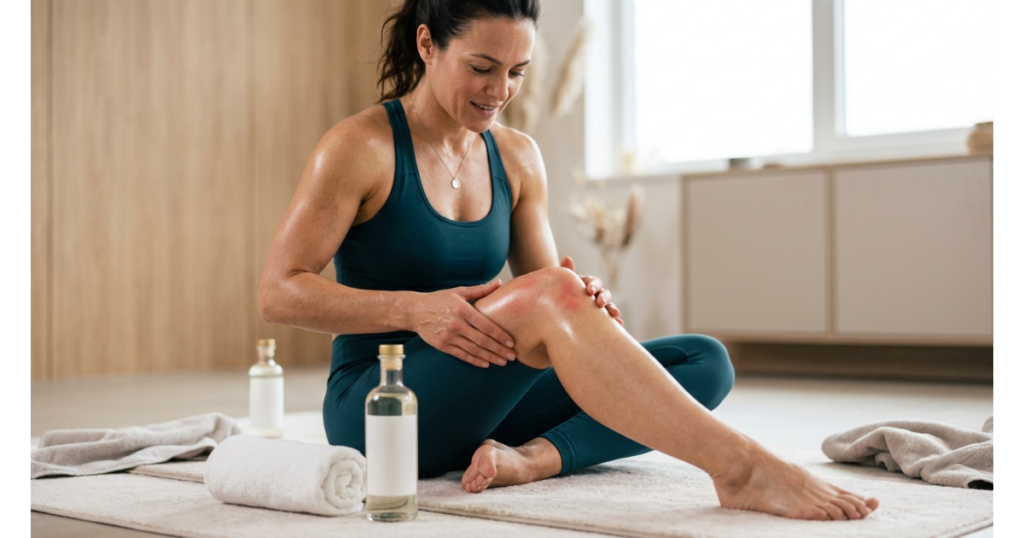
Image: A relaxing home massage scene with a person applying massage oil to a sore leg or shoulder.
Using Massage Oil for Sore Muscles
Massage oil can make the massage experience smoother and more comfortable.
When applying oil, start with a small amount.
Rub the oil between your hands and apply it gently to the desired area.
You can then use:
- Gentle circular movements
- Long strokes
- Light pressure
Avoid applying products to broken or irritated skin unless the product is specifically intended for that use.
If you experience irritation or an allergic reaction, stop using the product.
Looking for a Massage Oil?
A quality massage oil can help reduce friction and allow your hands to move more smoothly during a gentle massage.
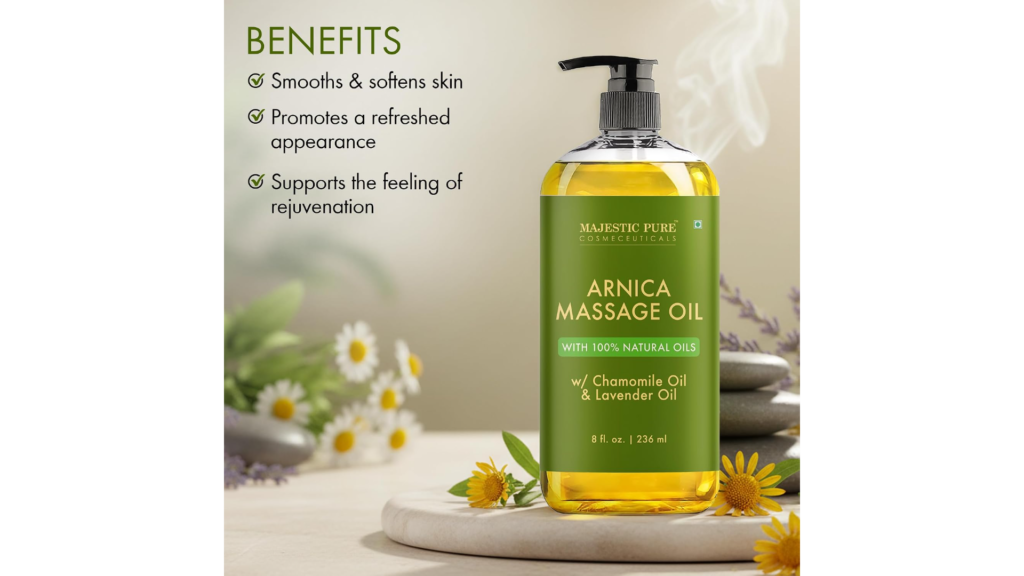
Majestic Pure Arnica Massage Oil
If you prefer using oil during a gentle self-massage, Majestic Pure Arnica Massage Oil is an option to consider. This 8-fluid-ounce massage oil features a blend of arnica extract, chamomile oil, and lavender oil.
👉 Check today’s price on Amazon:
💰 Price: $13.49 (13% Off)
💵 $1.69 per fl oz
Price and availability may change.
Key Points:
- 8 fl oz bottle
- Contains arnica extract
- Includes chamomile and lavender oils
- Designed for massage and relaxation
- Oil texture may help hands glide more smoothly over the skin
- Made with a combination of plant-based extracts
- PETA certified, according to the manufacturer
A massage oil can make gentle self-massage more comfortable by reducing friction. Always check the ingredients before use, especially if you have sensitive skin.
Will Massaging Sore Muscles Help With Recovery?
Massage may be a useful part of a general recovery routine, but it should not be considered a replacement for proper recovery habits.
A healthy recovery routine may include:
- Adequate sleep
- Proper hydration
- Nutritious food
- Rest
- Light movement
- Appropriate training intensity
Massage may help you feel more relaxed and comfortable, but your body still needs time to recover after intense physical activity.
Think of massage as one possible tool rather than the only solution.
What Are the Benefits of Massage for Sore Muscles?
Massage may provide several potential benefits.
1. It May Promote Relaxation
Physical activity can leave your body feeling tired and tense.
A gentle massage can create a relaxing experience and help you unwind.
2. It May Reduce the Feeling of Tightness
Sore muscles often feel tight.
Gentle massage may help reduce this feeling and make the area feel more comfortable.
3. It May Reduce Stiffness
After an intense workout, you may feel stiff when moving.
Massage may help you feel more comfortable as part of your recovery routine.
4. It Can Be Part of a Self-Care Routine
Massage can also be a form of self-care.
Taking time to relax after exercise may help you create a more enjoyable recovery routine.
Can You Massage a Muscle Strain?
A muscle strain is different from normal muscle soreness.
This distinction is important.
Normal exercise-related soreness may cause discomfort and stiffness, while a muscle strain is an injury that can involve damage to muscle fibers.
Possible signs of a muscle strain include:
- Sudden pain
- Sharp pain
- Swelling
- Bruising
- Muscle weakness
- Difficulty using the affected muscle
You should be careful about massaging a suspected muscle strain, especially immediately after an injury.
Deep or aggressive massage may not be appropriate.
If you believe you have a significant muscle injury, consider seeking advice from a qualified healthcare professional.
Read our complete guide: [Will Massage Help a Muscle Strain? – INTERNAL LINK]
When Should You Avoid Massage?
Massage may not be appropriate for every type of pain.
Consider avoiding massage or seeking professional advice if you experience:
- Severe pain
- Significant swelling
- Bruising
- Sudden injury
- Sharp pain
- Numbness
- Severe weakness
- A suspected muscle tear
It is also important to be careful when using intense pressure.
If massage makes your symptoms worse, stop.
Other Ways to Help Sore Muscles
Massage is only one possible part of muscle recovery.
Here are other helpful recovery habits.
Get Enough Rest
Your body needs time to recover after physical activity.
Avoid pushing yourself too hard when your muscles are extremely sore.
Rest can be an important part of any exercise routine.
Stay Hydrated
Drinking enough fluids is important for overall health and exercise recovery.
Make hydration part of your regular routine.
Try Gentle Movement
Completely avoiding movement is not always necessary for mild soreness.
Gentle activities may include:
- Walking
- Light stretching
- Easy cycling
- Gentle mobility exercises
Avoid movements that cause significant pain.
Get Quality Sleep
Sleep plays an important role in overall physical recovery.
Try to maintain a consistent sleep routine, especially when training regularly.
Avoid Overtraining
Doing too much exercise without enough recovery can increase fatigue and discomfort.
Give your body enough time to adapt to your training routine.
Increasing exercise intensity gradually may help reduce the risk of doing too much too quickly.
Recommended Recovery Products
Depending on your needs, some people like to use massage oils or other recovery tools as part of their post-workout routine.
👉 Explore recommended muscle recovery products here
Choose products based on your individual needs and always follow the manufacturer’s instructions.
Frequently Asked Questions
Does massage help with sore muscles?
Massage may help sore muscles feel more relaxed and comfortable. Gentle massage can reduce the feeling of tightness and stiffness for some people. However, results can vary depending on the person and the cause of the soreness.
Is it good to massage a sore muscle?
Gentle massage may be helpful for mild exercise-related muscle soreness. However, aggressive massage should be avoided if you have severe pain, swelling, bruising, or a suspected injury.
Will massaging sore muscles help recovery?
Massage may be a useful part of a recovery routine by promoting relaxation and reducing feelings of soreness or stiffness. However, it should be combined with proper rest, sleep, hydration, and appropriate exercise recovery.
How long should you massage sore muscles?
There is no single perfect amount of time. A short and gentle massage may be enough for mild soreness. Focus on comfort and avoid continuing if the area becomes increasingly painful.
Should massage hurt?
Generally, a massage for normal muscle soreness should not cause significant pain. Excessive or aggressive pressure can increase discomfort. Gentle pressure is often a better option for sore muscles.
Can you massage sore muscles every day?
For mild soreness, some people may use gentle massage as part of their regular self-care routine. However, avoid repeatedly applying painful or intense pressure to sensitive muscles.
Listen to your body and stop if symptoms worsen.
Is massage better before or after exercise?
Both can be useful depending on your goals. Before exercise, a gentle approach may help you feel relaxed. After exercise, massage may be used as part of a recovery routine.
Avoid aggressive massage immediately before activities that require maximum performance.
Final Thoughts: Will Massaging Sore Muscles Help?
So, will massaging sore muscles help?
For many people, the answer is yes—gentle massage may help sore muscles feel more relaxed, less tight, and more comfortable.
Massage can be a useful addition to your recovery routine, especially after exercise. However, it is not a replacement for rest, hydration, proper nutrition, sleep, and appropriate training.
The most important thing is to avoid aggressive pressure when your muscles are extremely painful or when you suspect an injury.
If your muscle pain is severe, sudden, or accompanied by swelling, bruising, weakness, or numbness, consider seeking advice from a qualified healthcare professional.
For normal post-workout soreness, however, a gentle and relaxing massage may be a simple way to help your body feel better and support your overall recovery routine.
🔗 Explore More: Visit our website for more helpful guides and product recommendations.
👍 Follow Us: Stay connected with us on Facebook for more useful tips and updates.
RELATED POSTS
View all

Farm Innovators 1.5-Gallon Heated Pet Best Water Bowl for Dogs: Features, Benefits & Buying Guide
September 18, 2026 | by Md. Samsul Haque
Best TOPUTURE TP7 Walking Pad with Incline Review (2026): Is It Worth Buying?
September 7, 2026 | by Md. Samsul Haque

How to Make Frozen Yogurt in a Cuisinart Ice Cream Maker: 5 Simple Steps
August 25, 2026 | by Md. Samsul Haque